
Dear friends near and far,
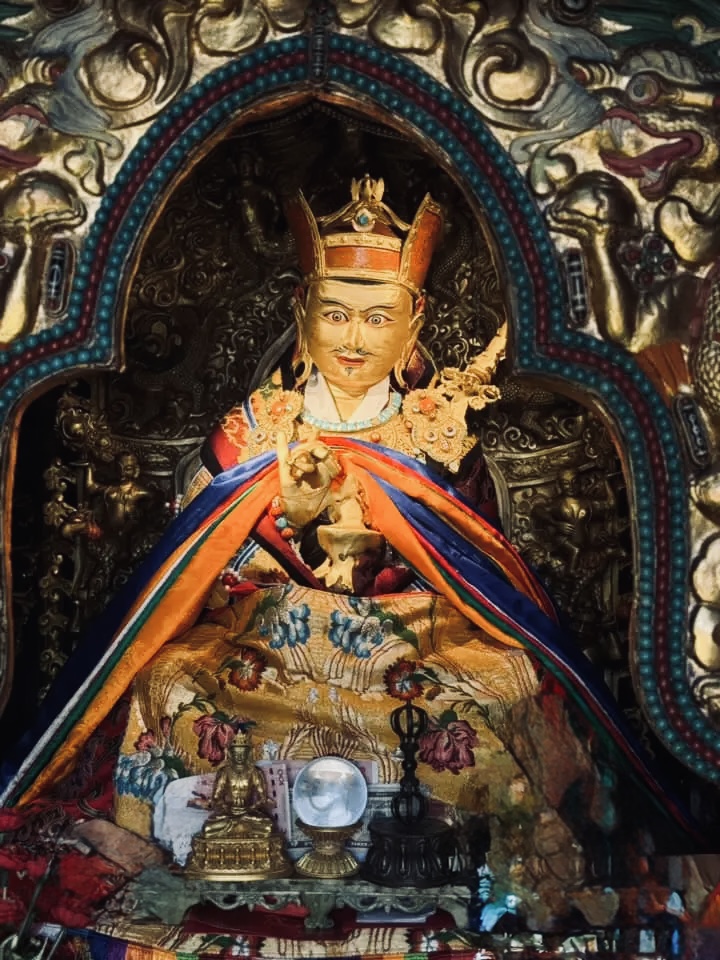
As always, I hope this message finds you well, healthy, and happy. On today’s Guru Rinpoche day, I would like to share with you three key points that are essential to everyone’s Dharma practice.
The first key point is that all practice needs to be based on understanding. Understanding is not an easy thing—some students are able to understand easily, and others are not. We all think we are practicing the Dharma, but what good does it do if we don’t really understand what we are practicing? Just like any mundane task is pointless or fruitless if you do not understand what you are doing, so in the same way, practicing the Dharma without understanding will not get you anywhere.
So, what is it that you need to understand? First of all, you need to understand compassion, loving kindness, and bodhichitta. Are you clear on what these words truly mean? Do you know what sorrow is, and what its causes are? What happiness is, and its causes? What do we mean by the states of liberation and omniscience, and how do we reach them? These are all basic points that you should understand on the outer, inner, and secret levels—through the intellect, personal experience, and direct realization.
Our inability to understand is due to karmic obscurations, meaning our behavior and character. All new students have karmic obscurations. In order to cleanse these karmic obscurations, we need to practice the Dharma little by little, cultivating compassion, loving kindness, and bodhichitta. The blessings of those practices will gradually reduce our karmic obscurations, and our understanding of the Dharma will grow, based upon which we will gain experience and come to trust the Dharma, and finally realize it.
The second key point I would like to make is that once you understand the Dharma, you need to fully integrate it in your being. In order to do so, you need to know what the benefits are of integrating the Dharma’s teachings, and what the drawbacks are of not doing so. This needs to be understood through your own experience. These days, there are many students cultivating compassion, loving kindness, and bodhichitta, but they do not fully understand the meaning of these qualities, nor their benefits. I see this all the time. And those who do understand have not fully integrated that understanding, nor do they know the benefits of integrating the teachings, and drawbacks of not doing so. This is very common. Therefore, I would like to request you all to be intentional and purposeful when it comes to understanding the teachings and fully integrating them in your being.
The third key point I want to share with you today is a reminder of Kyabje Tulku Urgyen Rinpoche’s advice that all Dharma practice requires three qualities: faith, diligence, and wisdom. Faith nowadays is somewhat different than it used to be. Mainly, it means being inspired to practice the Dharma, and wishing to achieve the results of practice. This type of faith is based on a correct understanding of the Dharma, which underpins our trust in the truth of the teachings, and inspires us to apply them.
The second quality we need is diligence. If we don’t apply ourselves and give in to laziness, we are wasting our time. Therefore, diligence is indispensable.
Finally, among these three qualities of faith, diligence, and wisdom, Tulku Urgyen Rinpoche would say that wisdom is most important. Wisdom means understanding the Dharma, and faith or diligence without understanding is useless, because you will not be able to grasp the key points of practice. You can be inspired to practice, and put effort into your practice, but if you do not know how to practice, your effort will be wasted. Conversely, if we have wisdom, then faith and diligence will come naturally to us, because we will know the key points of the practice, how to apply them, and directly experience the benefits of their application.
Therefore, whether you cultivate bodhichitta, gather the accumulations, or purify obscurations—whatever practices you engage in—make aspirations to genuinely develop faith, diligence, and wisdom, and for all beings to develop these same qualities. Dedicate all your merit to developing these qualities in an authentic way.
This is the reminder I’d like to give you on today’s Guru Rinpoche day: First, understand the key points of the Dharma on the outer, inner, and secret levels, through your intellect, your personal experience, and direct realization. Second, do not remain at the level of intellectual understanding, but let the Dharma suffuse your being, truly integrate its meaning, and find out through your own experience the benefits of integrating the Dharma, and the drawbacks of not fully integrating it. Third, make aspirations and dedicate your merit to developing the qualities of faith, diligence, and wisdom, remembering that wisdom is foremost among these, because it is the base from which the other qualities will naturally grow.
Dharma is about so much more than intellectual understanding. It is about experience. Yet, understanding comes first. Next month, I will share more about experience.
With all my love and prayers,
Sarva Mangalam

Phakchok Rinpoche
*Image: Tulku Urgyen Rinpoche
Translations
Catala
简体中文
繁體中文
Français
Deutsch
Ελληνικά
Bahasa Indonesia
日本語
नेपाली
Polski
Portugues
Русский
Español
ภาษาไทย
Українська
Tiếng Việt